What is Pitra Dosh? Signs, Causes & How to Resolve It
Vedic Acharya Kedarnath GuruJi · 6 August 2026 · 7 min read
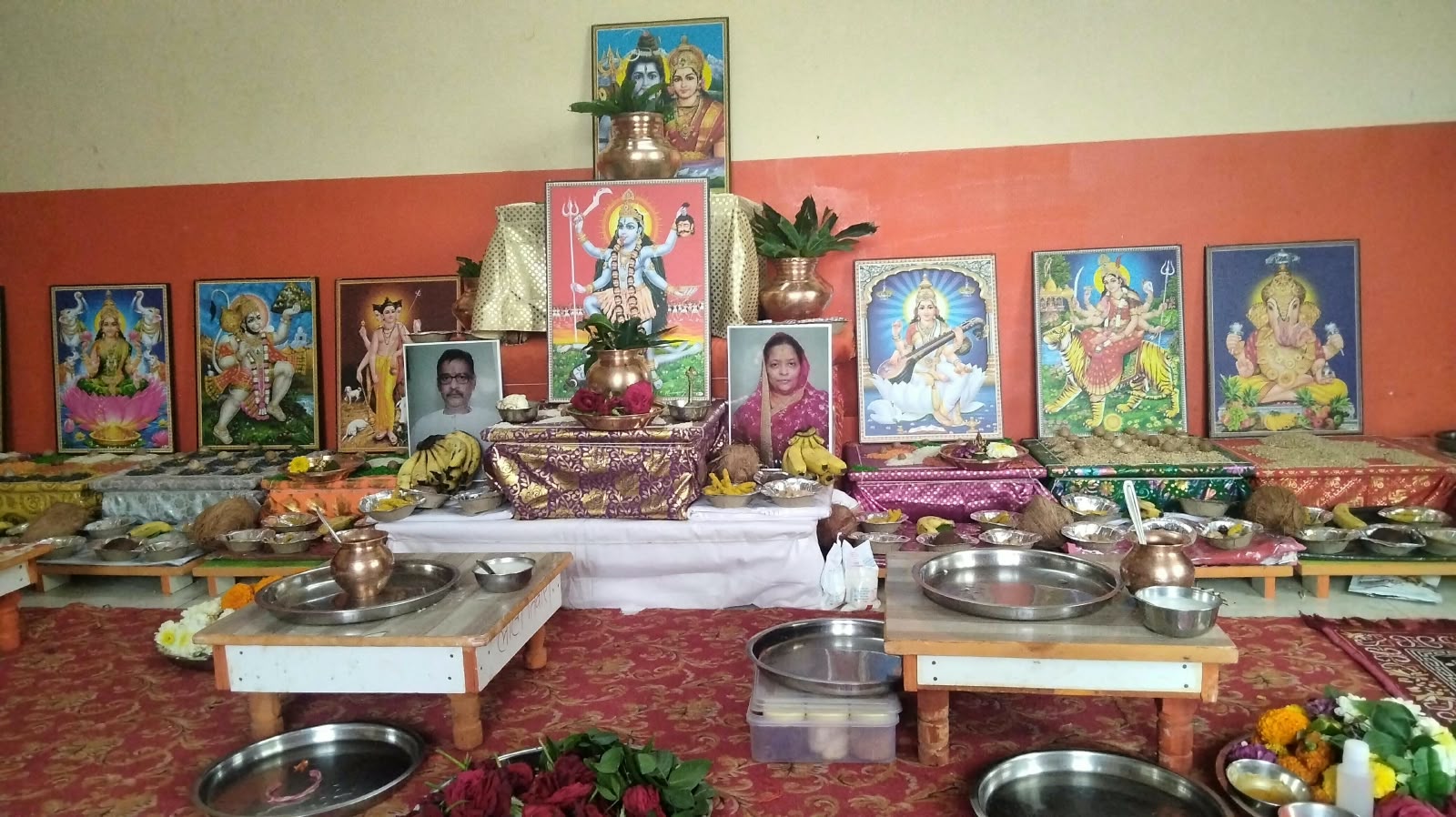
How ancestral debts appear in the ninth house, why they repeat across generations, and the difference between tarpan, shradh and nivaran puja.
Pitra Dosh is read from afflictions to the Sun and the ninth house, often involving Rahu, Ketu or Shani. It indicates an unpaid debt to the ancestral line rather than any fault of the native.
Common signs
Delays in childbirth, repeated property disputes, an unsettled household, and family members who each face the same category of obstacle in their own generation.
Causes
Last rites left incomplete, a death away from home, ancestors who departed unnaturally, or years of missed annual shradh. None of this implies blame — the shastras treat it simply as a debt awaiting settlement.
Tarpan, shradh, nivaran
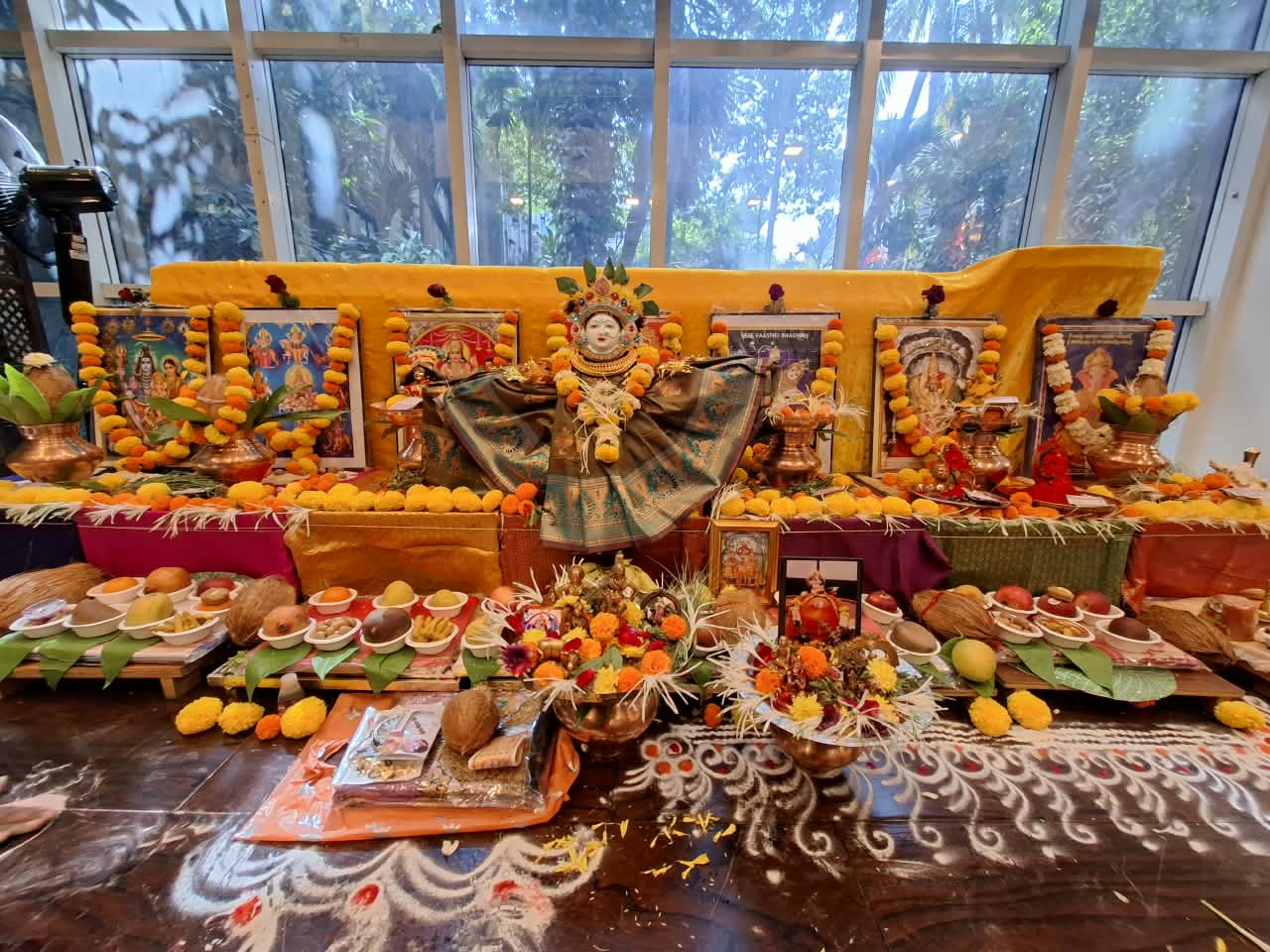
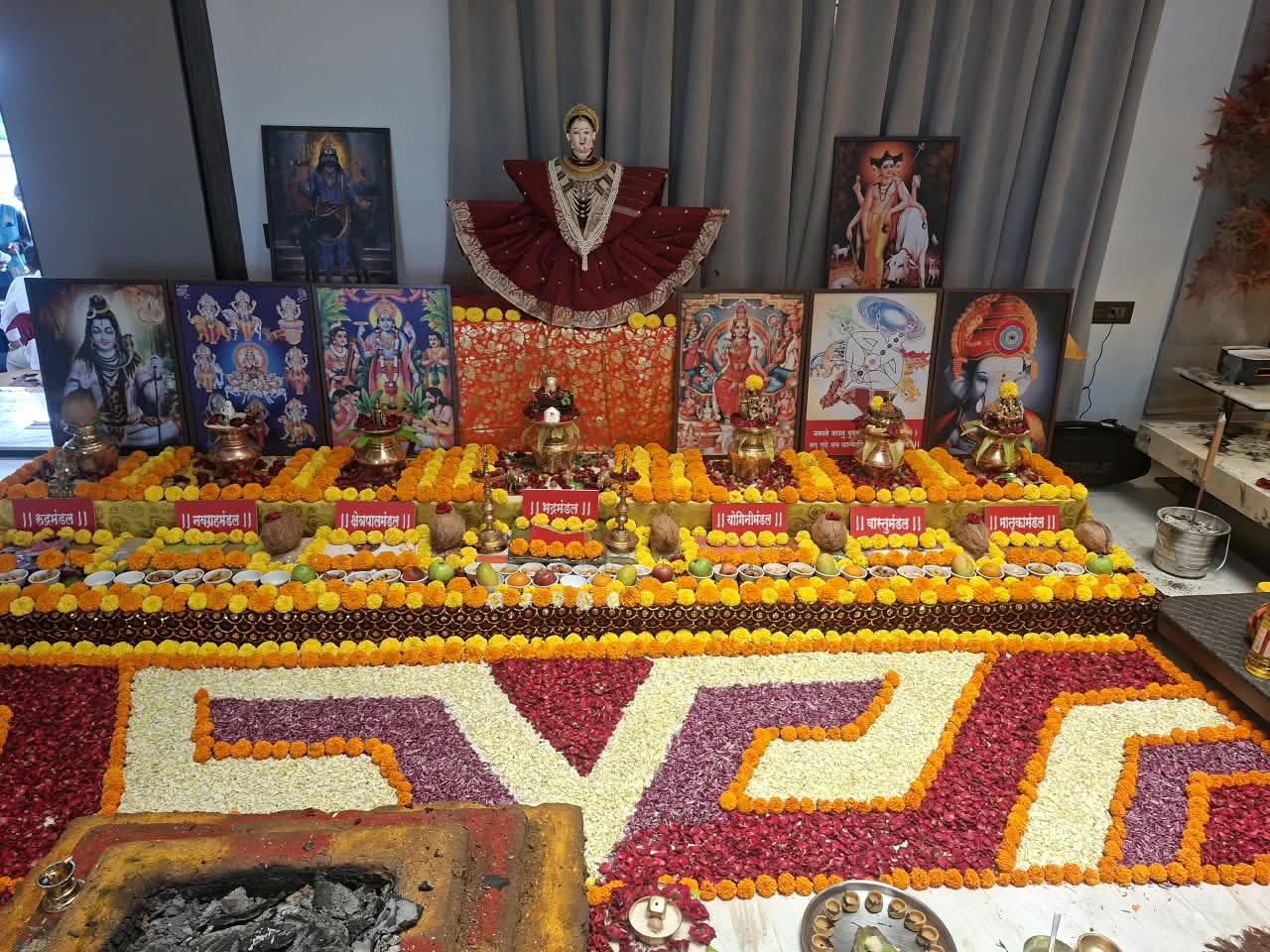
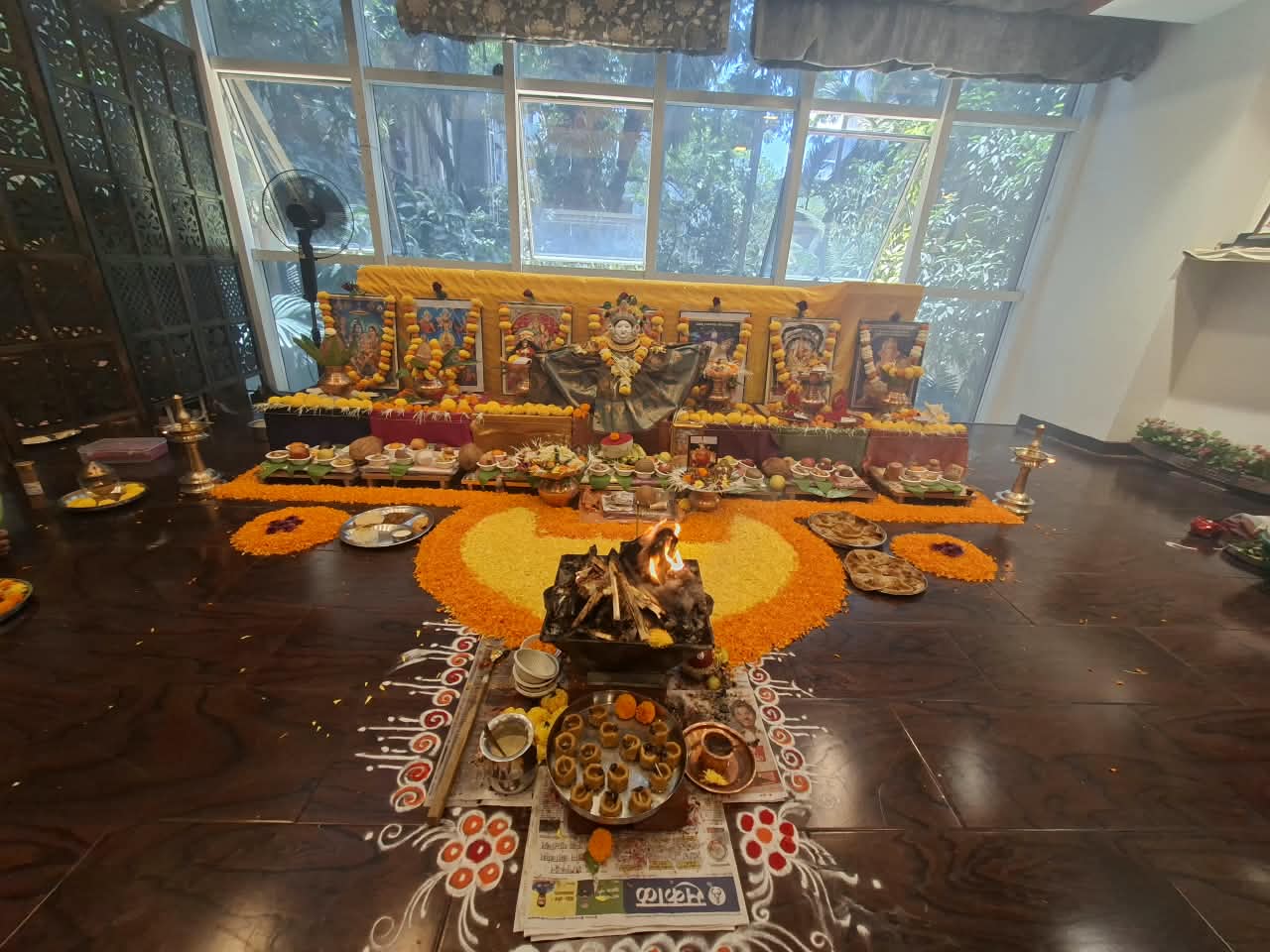
Tarpan is the periodic water offering. Shradh is the annual rite. Tripindi Shradh and Pitra Dosh Nivaran Puja are the corrective rituals when the earlier two have been missed for years.
What changes afterwards
Families report calmer households, progress in matters of childbirth, and the resolution of long-standing property disputes.
Related puja
पितृ दोष निवारण पूजा
Pitra Dosh Nivaran Puja
Pitra Dosh appears when the Sun, Rahu or Ketu afflict the ninth house or when ancestors remain without proper rites. The Nivaran Puja repays that debt through tarpan, pind daan and havan, opening the way for progress and progeny.